For a few weeks each year, Japan turns pink from the southern islands to Hokkaido. A few months later, the same country burns red, orange and gold. Both seasons sit on most travellers' lists, and both come with trade-offs that photographs rarely show. The useful question is not which one is prettier — it is which one suits the trip you are actually planning. Weather, crowds, costs and scenery all shift, and so does the kind of holiday you will have.
Spring: a short, electric window
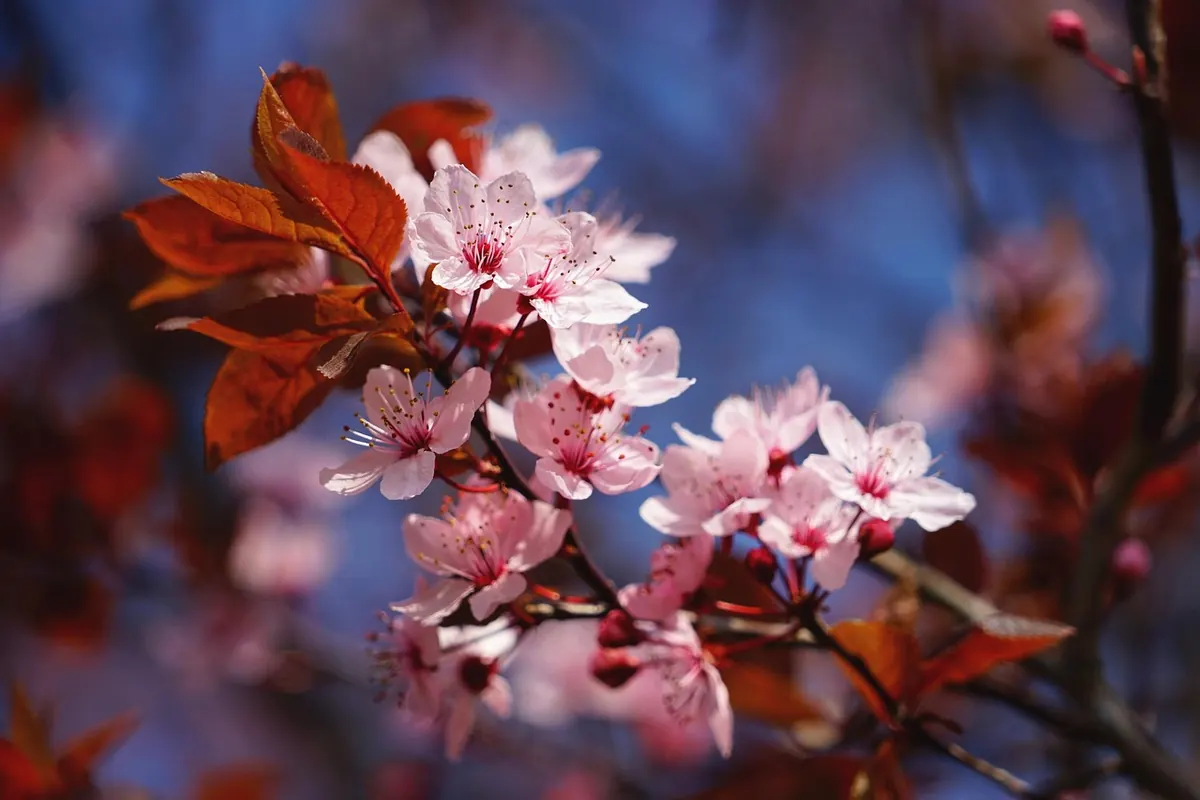
Cherry blossom season is a moving target. The bloom opens in Kyushu and Tokyo in late March, reaches Kyoto and Osaka around the same time, then drifts north through Tohoku in April and into Hokkaido in May. Weather services publish a sakura zensen (blossom front) forecast from January onwards, and it is worth checking before you commit to flights — a few days either way can mean the difference between bare branches and full bloom.
Temperatures are usually mild: crisp mornings, highs in the mid-teens to low twenties, and a fair chance of rain. Pack layers and a compact umbrella. The real risk is wind or rain stripping the trees within 48 hours, which is why locals treat a good bloom as something to drop everything for.
Autumn: a longer, gentler season
Autumn colour, or koyo, arrives in Hokkaido and the northern mountains from mid-October, works down through Tokyo and Kyoto around late November, and lingers in Kyushu into early December. That is roughly a six-week window in any one region, compared with the fortnight or so most places get from cherry blossom.
The weather is arguably the most comfortable of the year: cool, dry, low humidity and often clear. Typhoon season is largely over by mid-October, though early autumn can still throw a late storm at you. Fewer things have to go right for an autumn trip to feel like a success.
Crowds: concentrated versus spread out
Both seasons are popular, but the pressure builds differently. Cherry blossom is a national event. Parks fill with hanami picnics, hotels in Kyoto and Tokyo sell out months ahead, and the season runs straight into Golden Week in late April to early May, when domestic travel surges. The result is a short, intense crush in a handful of famous spots.
Autumn is busy too — Kyoto in mid-November is no secret — but the season is longer and it moves, so the crowds disperse. A few tactics make a real difference:
- Book accommodation first and flights second for blossom season; the reverse works well in autumn.
- Visit headline sights such as Fushimi Inari or Arashiyama before 8am, then save quieter temples and gardens for the afternoon.
- Follow the season rather than the city: Tohoku in late April, Kyoto in the second half of November, Kyushu in early December.
- Consider second-tier destinations — Kakunodate, Kenrokuen in Kanazawa, Takayama, Hikone — where the scenery is just as good and the paths are wider.
What each season costs
Both are peak travel periods, so neither is cheap. Accommodation is the biggest variable: rates in Kyoto, Tokyo and onsen towns climb steeply in the first half of April and again in late November, and the best-value ryokan go early. Cherry blossom squeezes demand into a shorter period, which makes the premium sharper and the alternatives thinner. Autumn gives you more room to move, and early October or the first half of December can be noticeably better value, especially midweek.
Flights from the UK tend to be pricier around the Easter holidays and October half-term. Booking three to six months ahead is sensible for spring, two to four months for autumn. If you are using a rail pass, reserve seats on long-distance trains as soon as your dates are fixed; popular services fill in both seasons.
Scenery: two kinds of beautiful
Spring is not only about cherry blossom. Plum trees flower earlier, in February and March; wisteria drapes over trellises in late April and May; whole hillsides turn blue at Hitachi Seaside Park. Add fresh green tea fields, rice planting and the first warm evenings, and spring feels like a country waking up.
Autumn is warmer in colour and, for many, in atmosphere. Maples glow above temple steps, ginkgo avenues turn gold in Tokyo in late November, and mountain roads in Nikko or the Japanese Alps reward a few days of driving. It is also the best season for food: new sake, chestnuts, persimmons, mushrooms and the seasonal kaiseki menus that track the calendar closely.
Which season suits you?
Choose spring if you have a specific image in mind — blossom, picnics, lantern-lit evenings — and can be flexible on dates or accept a little risk. Choose autumn if you want comfort, longer daylight and easier logistics, plus the freedom to shift your itinerary as the colour moves. Families tied to school holidays often find October half-term simpler than Easter, when prices and demand peak together.
If you can only travel in summer, bear in mind that June brings the rainy season and July and August are hot and humid. Winter, by contrast, is quiet, cold and excellent for skiing, onsen towns and snow festivals.
Practical steps before you book
Work backwards from the season, not the city:
- Check the forecast. Blossom and autumn colour forecasts are published free and updated weekly; use them to choose a region rather than a fixed date.
- Pick your anchor. One memorable experience — a night in a temple lodging, a day cycling between Kyoto temples, a mountain onsen — shapes everything else.
- Book accommodation, then transport, then any restaurant or tea ceremony reservations.
- Build in a spare day. Weather moves the schedule, and one flexible day removes most of the stress.
- Pack for shoulder-season temperatures: layers, comfortable walking shoes and a small umbrella. You will walk further than you expect.
Either season will reward you. Spring gives you urgency and a country briefly obsessed with something beautiful. Autumn gives you time, space and a slower kind of glow. Pick the one your dates allow, plan the details properly, and the rest takes care of itself.
Photo: ASchuehlein / Pixabay